
Sunrise Personal Injury Lawyer | Sawgrass Mills, Amerant Arena, and Tourist Cases
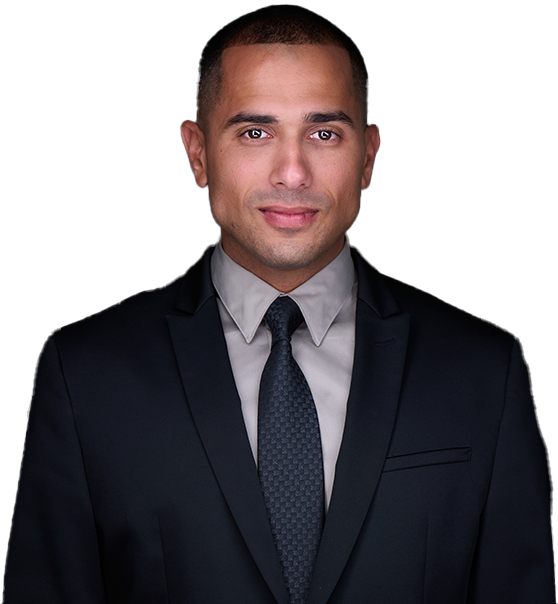
Last reviewed by Attorney Dean Levy on April 20, 2026. This page is reviewed quarterly to reflect current Florida personal injury law.
TL;DR
- Sawgrass Mills attracts over 30 million visitors annually.
- It is Florida’s second most-visited destination after Disney World.
- Amerant Bank Arena hosts the Florida Panthers and major concerts.
- South American visitors arrive specifically to shop with empty suitcases.
- Florida statute of limitations is 2 years from injury date.
Sunrise’s identity as a Broward city is dominated by Sawgrass Mills, the largest outlet mall in the United States with more than 30 million annual visitors, and Amerant Bank Arena, home of the Florida Panthers and major touring concert acts. These two destinations generate a personal injury case profile distinct from every other Broward city. International tourists who fly to Florida specifically to shop. Tour bus operators bringing groups from South and Central America. Event-day DUI patterns leaving the arena. Escalator and parking lot incidents at retail scale found nowhere else in the county. This page explains how Florida law applies to these specific Sunrise scenarios.
What kinds of accidents happen at Sawgrass Mills?
Sawgrass Mills spans more than 2.3 million square feet across three connected sections (the main mall, The Oasis, and The Colonnade Outlets), with more than 350 stores, a 23-screen cinema, and adjacent hotel. The visitor density — comparable to a small city moving through one property daily — concentrates a wide range of incidents.
| Sawgrass Incident Type | Typical Circumstances | Liability Theory |
|---|---|---|
| Slip-and-fall (food court) | Spilled drinks, ice, food debris | Constructive notice under F.S. 768.0755 |
| Escalator and elevator injuries | Sudden stops, fall, child entrapment | Maintenance contractor + property owner |
| Parking lot pedestrian strikes | Tourist drivers backing up, distracted | Driver negligence + property design |
| Tour bus accidents | Bus operator on Sunrise Blvd or in lot | FMCSA + Florida tort law |
| Falling merchandise | High shelving, customer displacement | Store tenant primary liability |
| Bathroom and floor maintenance | Cleaning chemical residue, wet floors | Cleaning contractor + property owner |
| Valet parking damage and injury | Valet operator negligence | Valet contractor + property owner |
Who is liable in a Sawgrass Mills slip-and-fall?
Sawgrass Mills is owned by Simon Property Group (the largest US mall REIT) and KanAm Grund Group. Premises liability claims under Florida Statute 768.0755 require proof that the property owner had actual or constructive notice of the dangerous condition that caused the injury.
Constructive notice is established through evidence the condition existed long enough that reasonable inspection would have found it. Sawgrass operates extensive cleaning rotation schedules and security patrols, which generate documentary records useful for notice analysis. Surveillance footage from the mall’s camera network is retained for limited periods (typically 14 to 30 days), making immediate preservation requests essential. The mall’s own incident report procedure begins as soon as you report the fall to security — documenting what mall personnel knew and when becomes central evidence.
What if a tour bus or shuttle was involved in my Sunrise crash?
Sawgrass Mills draws bus tours from across Florida, the southeastern US, and internationally from South and Central America. According to Simon Property Group reporting, tour operators sometimes bring a second bus specifically to carry shoppers’ luggage on the return trip.[1] Tour bus crashes generate complex liability cases.
Commercial bus operators fall under Federal Motor Carrier Safety Administration regulations. Hours-of-service limits, driver qualification files, electronic logging device data, and vehicle inspection records all become evidence. Many tour operators are headquartered out of state or internationally. Service of process on international tour operators requires Hague Convention procedures or Florida’s long-arm statute. Insurance coverage from Mexican or Central American carriers requires multi-jurisdictional coordination. Successful tour bus cases require attorney involvement before the operator removes the bus and driver from US jurisdiction.
How does Amerant Bank Arena event traffic affect injury cases?
Amerant Bank Arena (formerly BB&T Center and FLA Live Arena) hosts the Florida Panthers and major concert tours. Event days generate distinct injury patterns: pre-event traffic congestion on Sawgrass Mills Boulevard and NW 136th Avenue, alcohol-related incidents during games and concerts, drunk-driving crashes during post-event departures, and falls on stadium stairs and ramps.
Florida’s dram shop statute under Florida Statute 768.125 creates limited liability for alcohol-serving establishments only when the establishment served a person known to be habitually addicted to alcohol or served a minor under 21. The statute is narrower than dram shop laws in many other states. Successful cases require specific factual development showing the server’s knowledge.
What if a drunk driver leaving Amerant Arena caused my crash?
Punitive damages may be available in DUI cases beyond compensatory damages. Florida Statute 768.736 removes the standard punitive damages cap when the defendant was intoxicated and was the driver. This allows juries to award meaningful punitive damages reflecting the severity of choosing to drive impaired.
Liability investigation focuses on the driver’s blood alcohol level, prior DUI history, the source of alcohol (which can support claims against bars or arena concessionaires if the server-knowledge requirement is met), and the timeline of consumption. Police reports, breath test results, and witness statements from the arena ticket-takers, ushers, and other patrons all contribute to building the case. Insurance recovery often involves the at-fault driver’s policy plus the victim’s UM/UIM coverage.
How do international tourist defendants complicate Sunrise cases?
Sawgrass Mills draws significant numbers of South and Central American visitors who fly to Florida specifically to shop. When a tourist driver causes a crash, recovery typically comes from rental car insurance (usually a Florida-compliant policy regardless of where the tourist lives), the rental car company itself (under specific circumstances), and travel insurance carried by the tourist.
The procedural challenge is service of process and discovery. A tourist returning to São Paulo or Bogotá becomes difficult to depose. Florida’s long-arm statute under Florida Statute 48.193 allows jurisdiction over non-resident defendants who commit tortious acts in Florida. Hague Convention service procedures apply to defendants in signatory countries. Pre-trip witness interviews and immediate evidence preservation become critical because the tourist’s window of accessibility may close within days of the incident.
What are the most dangerous Sunrise intersections?
Sunrise’s crash density concentrates around Sawgrass Mills approach roads, the Sawgrass Expressway interchanges, Sunrise Boulevard’s commercial corridor, and University Drive.
| Location | Hazard | Common Crash Types |
|---|---|---|
| Sawgrass Mills Blvd at NW 136th Ave | Mall entrance with tourist drivers | Pedestrian, low-speed, T-bone |
| Sunrise Blvd at Sawgrass Expressway | Mall traffic merging onto freeway | Rear-end, sideswipe, merging |
| Sunrise Blvd at University Drive | High-volume commercial intersection | T-bone, left-turn, pedestrian |
| Pine Island Rd at Sunrise Blvd | Commercial-residential mix | Rear-end, T-bone |
| Oakland Park Blvd at Pine Island Rd | Commuter corridor intersection | T-bone, rear-end |
| NW 136th Ave near Amerant Arena | Event traffic surges | Pedestrian, DUI, rear-end |
What is Florida’s 14-day rule for Sunrise residents and visitors?
Florida requires accident victims to seek medical treatment within 14 days of a motor vehicle crash to preserve $10,000 in PIP benefits under Florida Statute 627.736. Visitors injured in Sunrise are subject to the same rule when the crash involves a vehicle covered by a Florida insurance policy.
Qualifying providers include HCA Florida University Hospital (across the city line in Davie), Memorial Hospital West, urgent care centers along Sunrise Boulevard, and primary care physicians throughout the city. International visitors often return home before realizing the extent of their injuries. The 14-day clock applies regardless. Tourists injured in Sunrise should obtain treatment before leaving Florida and document accident-related injuries clearly.
How does Florida’s modified comparative negligence affect Sunrise cases?
Under Florida Statute 768.81, plaintiffs more than 50% at fault recover nothing. For Sunrise tourist and pedestrian cases, defense often argues unfamiliar visitors should have exercised extra care. Sawgrass Mills defense argues the shopper should have watched where she was walking. Arena defense argues the patron drank too much.
Successful cases counter through immediate evidence preservation (mall surveillance, arena security footage, witness identification before tourists depart), comparison to industry standards (mall maintenance protocols, arena alcohol service standards), and expert witnesses where appropriate. The first 30 days post-incident determine whether evidence survives.
Injured at Sawgrass Mills, Amerant Arena, or elsewhere in Sunrise?
(888) 613-3326 — Free ConsultationNo fees unless we win. Attorney Levy personally handles every case.
Frequently Asked Questions
Typical retention is 14 to 30 days, varying by camera location and incident severity. Higher-traffic areas (food court, escalators) may have shorter retention because cameras record more data. Send a written preservation letter immediately to lock in footage relevant to your incident before automatic deletion.
Depends on the lease structure. Common-area incidents (mall corridors, food court, restrooms) typically generate claims against Simon Property Group as mall owner. In-store incidents generate claims against the store tenant. Many cases involve both. Identifying all potentially liable parties is essential to recovery.
Rental car policies are typically Florida-compliant. The rental company may be liable under specific circumstances. Florida’s long-arm statute allows jurisdiction over non-resident defendants. Service may require Hague Convention procedures if the tourist returns to a signatory country.
Yes. Florida Statute 768.736 removes the standard punitive damages cap when the defendant was intoxicated and was the driver. Punitive damages can substantially exceed compensatory damages in DUI cases involving meaningful intoxication evidence.
Florida’s dram shop liability under Florida Statute 768.125 requires proof the establishment knew the patron was habitually addicted to alcohol or was under 21. The statute is narrower than dram shop laws in many other states. Cases require specific factual development of server knowledge.
Tour bus operators are commercial carriers under federal regulations. Liability investigation includes hours-of-service compliance, driver qualifications, vehicle inspections, and electronic logging device data. Many operators are out-of-state or international, requiring multi-jurisdictional service of process.
Dean Levy Injury Law works on a contingency-fee basis under Florida Bar Rule 4-1.5(f): 33.3% before suit and 40% after suit is filed. No upfront cost. No fees unless we recover compensation. All case expenses are advanced by the firm and recovered only from the settlement.
Related Topics
- Fort Lauderdale personal injury lawyer (Broward County practice area hub)
- Slip and fall cases (premises liability under FL Statute 768.0755)
- Drunk driver cases (dram shop and punitive damages)
- Truck accident cases (FMCSA rules apply to tour buses)
Dean Levy Injury Law | 955 South Federal Hwy, Suite 416, Fort Lauderdale, FL 33316 | (888) 613-3326