
Miami Beach Personal Injury Lawyer | Nightlife, Tourists, and Hotel Liability
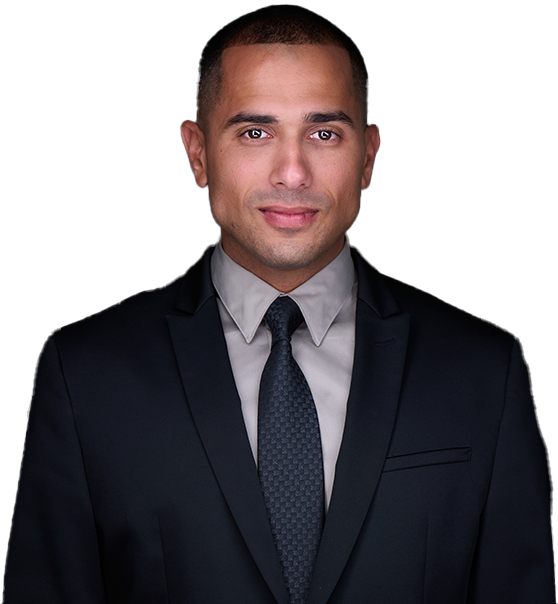
Last reviewed by Attorney Dean Levy on April 20, 2026. This page is reviewed quarterly to reflect current Florida personal injury law.
TL;DR
- Miami Beach draws millions of visitors to South Beach each year.
- Nightlife density raises dram shop and DUI liability questions.
- Hotel and short-term-rental premises cases are common here.
- Tourist and rental-car drivers complicate liability and service.
- Florida’s injury filing deadline is 2 years from the crash date.
Miami Beach is a barrier-island city defined by tourism. South Beach, Ocean Drive, and the Art Deco District draw millions of visitors a year into a dense mix of hotels, bars, restaurants, and beaches. That concentration of nightlife, unfamiliar drivers, scooters, and foot traffic produces a personal injury profile found in few other Florida cities. This firm handles Miami Beach cases involving dram shop and DUI claims from the nightlife district, hotel and short-term-rental premises liability, tourist and rental-car crashes, and pedestrian and scooter incidents. Dean Levy serves Miami-Dade clients from the firm’s South Florida office.
How does South Beach nightlife affect injury cases?
South Beach’s concentration of bars, clubs, and restaurants along Ocean Drive, Collins Avenue, and Washington Avenue creates a nightlife density found in few US cities. That density drives a specific set of injury patterns: alcohol-related crashes, dram shop questions, pedestrian strikes involving impaired drivers or pedestrians, and altercations at licensed venues.
The claim against an intoxicated driver proceeds under standard Florida negligence law, with punitive damages available under Florida Statute 768.736, which removes the cap for intoxicated drivers. Dram shop liability against a bar or club is narrow under Florida Statute 768.125, applying only when the venue served a person under 21 or knowingly served someone habitually addicted to alcohol. Proving these exceptions requires service records, witness testimony, and surveillance video, which must be preserved quickly.
Can I sue a Miami Beach hotel or short-term rental for an injury?
Yes. Hotels, resorts, and short-term rentals owe guests and invitees a duty of reasonable care under Florida premises liability law, Florida Statute 768.0755. Miami Beach’s dense hospitality industry makes hotel and rental premises cases common.
Hotel premises claims include pool and pool-deck incidents, slip-and-falls in lobbies and bathrooms, balcony and railing failures, elevator malfunctions, inadequate security leading to assaults, and injuries from poorly maintained facilities. Short-term rentals raise questions about which party is responsible: the property owner, the management company, or the platform. Negligent security claims are significant given the nightlife setting; when a venue or hotel knew of prior crime and failed to provide reasonable security, it may be liable for resulting harm. These cases require prompt investigation to preserve surveillance footage and identify all responsible parties.
What happens if a tourist or rental-car driver caused my Miami Beach crash?
Miami Beach’s visitor volume means a large share of drivers are tourists unfamiliar with the island’s one-way streets, causeways, and congestion. When a tourist or rental-car driver causes a crash, recovery sources differ from a standard resident case.
Rental policies issued in Florida are generally Florida-compliant regardless of the renter’s home state or country. The renter’s personal policy, credit-card supplemental coverage, and travel insurance may also apply. The procedural challenge is service of process and discovery once the visitor leaves. Florida’s long-arm statute under Florida Statute 48.193 allows jurisdiction over non-resident defendants who cause crashes in Florida. Prompt investigation matters because a tourist’s accessibility can close within days of the incident.
Who is liable in a Miami Beach scooter or e-bike accident?
Miami Beach’s flat terrain and tourist traffic make it a hub for scooters, mopeds, e-bikes, and rental micromobility devices. These vehicles mix with pedestrians and cars in dense, often chaotic conditions along the beach and entertainment corridors.
Liability depends on the vehicle type and the facts. E-bikes are classified under Florida Statute 316.20655, and drivers must give cyclists three feet of passing distance under Florida Statute 316.083. Rental scooter and moped operators may face liability, and rental companies can be responsible for negligent maintenance or entrustment. Comparative negligence applies, so defense counsel scrutinizes the rider’s conduct. These cases often involve tourists on unfamiliar equipment, adding investigation complexity.
What are Miami Beach’s most dangerous roads and intersections?
Miami Beach’s crash density concentrates along the causeways connecting the island to the mainland, on Alton Road and Collins Avenue, and in the South Beach entertainment core where vehicle and pedestrian traffic collide.
| Location | Hazard | Common Crash Types |
|---|---|---|
| MacArthur Causeway (I-395) | High-speed mainland connector | Rear-end, sideswipe, single-vehicle |
| Julia Tuttle Causeway (I-195) | Commuter and tourist traffic | Rear-end, merging |
| Dade Blvd at Alton Rd | Confusing layout, flood-prone | T-bone, pedestrian, rear-end |
| Ocean Dr and Collins Ave | Nightlife, pedestrian density | Pedestrian, DUI, low-speed |
| Washington Ave corridor | Club district foot traffic | Pedestrian, scooter, rear-end |
| 5th St approach to MacArthur | Causeway feeder congestion | Rear-end, pedestrian |
Where do Miami Beach injury lawsuits get filed?
Personal injury cases arising in Miami Beach are filed in the Eleventh Judicial Circuit Court of Florida, the Miami-Dade County court system. This differs from Broward County’s Seventeenth Circuit. Venue generally lies where the crash or incident occurred or where the defendant resides.
For a Miami Beach incident, that means Miami-Dade County. The Eleventh Circuit has its own judges, jury pool, and local procedures that differ from Broward’s. For tourist-defendant cases, the long-arm statute and service-of-process rules add procedural steps that experienced counsel handles. Dean Levy handles Miami Beach cases and appears in the Eleventh Circuit while operating from the firm’s Fort Lauderdale office, a short drive up the coast.
What is Florida’s 14-day rule for Miami Beach residents and visitors?
Florida requires accident victims to seek medical treatment within 14 days of a motor vehicle crash to preserve $10,000 in PIP benefits under Florida Statute 627.736. The rule applies when the crash involves a Florida-insured vehicle.
Qualifying providers include Mount Sinai Medical Center on Miami Beach, urgent care centers throughout the island, and primary care physicians. The visit must document accident-related injuries. Visitors injured in Miami Beach should obtain treatment before leaving Florida, as the 14-day window applies regardless of where they live. Many injuries from crashes and falls do not present symptoms immediately, so prompt evaluation protects both health and the claim.
What types of injury cases does the firm handle in Miami Beach?
Miami Beach’s tourism economy and nightlife density produce a case mix weighted toward hospitality premises, alcohol-related crashes, and tourist-driver incidents.
| Case Type | Common Miami Beach Scenarios | Key Florida Law |
|---|---|---|
| Hotel and rental premises | Pool, lobby, balcony, security | F.S. 768.0755 |
| Dram shop and DUI | Nightlife district crashes | F.S. 768.125; F.S. 768.736 |
| Tourist and rental crashes | Causeways, one-way streets | F.S. 48.193 (long-arm) |
| Scooter and e-bike | Rental micromobility, tourists | F.S. 316.20655; F.S. 316.083 |
| Pedestrian strikes | Ocean Dr, Collins Ave, causeways | F.S. 316.130 |
| Rideshare accidents | Club and hotel pickups | F.S. 627.748 |
What does a Miami Beach personal injury lawyer cost?
Dean Levy Injury Law works on a contingency-fee basis under Florida Bar Rule 4-1.5(f): 33.3% before suit and 40% after suit is filed. There is no upfront cost and no fee unless we recover compensation. All case expenses are advanced by the firm and recovered only from the settlement or verdict.
Dean Levy personally handles every Miami Beach case, including the time-sensitive nightlife, hotel, and tourist-defendant cases that require prompt evidence preservation. Dean serves Miami-Dade clients from the firm’s South Florida office and has been admitted to the Florida Bar since November 13, 2018.
Injured in Miami Beach? Talk to the attorney directly.
(888) 613-3326 — Free ConsultationNo fees unless we win. Attorney Levy personally handles every case.
Frequently Asked Questions
Only in limited circumstances. Florida Statute 768.125 allows dram shop claims when a venue serves a person under 21 or knowingly serves someone habitually addicted to alcohol. Proving this requires evidence of the venue’s knowledge through service records, witness testimony, and surveillance video.
Yes. Hotels owe guests a duty of reasonable care under Florida Statute 768.0755. Claims include pool incidents, lobby and bathroom falls, balcony failures, elevator malfunctions, and inadequate security. Negligent security claims arise when a hotel knew of prior crime and failed to provide reasonable protection.
Rental policies issued in Florida are generally Florida-compliant. The renter’s personal policy and credit-card coverage may also apply. Florida’s long-arm statute allows jurisdiction over non-resident defendants. Prompt investigation matters because a tourist’s accessibility can close within days.
It depends on the vehicle and facts. E-bikes are classified under Florida Statute 316.20655, and drivers must give three feet of passing distance. Rental operators may face liability, and rental companies can be responsible for negligent maintenance. Comparative negligence applies to the rider’s conduct.
The Eleventh Judicial Circuit Court of Florida, the Miami-Dade system, handles Miami Beach cases. This differs from Broward’s Seventeenth Circuit. Venue lies where the incident occurred or where the defendant resides. The circuit has its own judges and jury pool.
Dean Levy serves Miami Beach and Miami-Dade clients from the firm’s South Florida office at 955 South Federal Highway in Fort Lauderdale, a short drive up the coast. The firm handles cases throughout Miami-Dade and appears in the Eleventh Judicial Circuit Court.
Dean Levy Injury Law works on contingency under Florida Bar Rule 4-1.5(f): 33.3% before suit and 40% after suit is filed. No upfront cost. No fees unless we recover compensation. All case expenses are advanced by the firm.
Related Topics
- Fort Lauderdale personal injury lawyer (South Florida practice area hub)
- Slip and fall cases (hotel and premises liability)
- Drunk driver cases (dram shop and punitive damages)
- Florida’s 14-day rule (protect PIP benefits after a crash)
Dean Levy Injury Law | 955 South Federal Hwy, Suite 416, Fort Lauderdale, FL 33316 | (888) 613-3326